Transparency regarding climate coverage in public service broadcasting
Climate coverage in public-service broadcasting
Facts are important to us. That is why analysing current climate coverage on public service broadcasting forms an important basis for our work. Our database includes, amongst other things, coverage by ARD and ZDF since 2021, which we expand daily and analyse using AI. The result: the coverage does not reflect the urgency of the climate crisis and has even declined in recent years.
The key finding: current reporting is insufficent
Under the State Media Treaty (Medienstaatsvertrag), public-service broadcasting has a mandate to provide comprehensive, fact-based information on all key areas of life. The climate crisis affects every one of these areas – it is not a niche topic.
However, our data shows that media coverage is failing to live up to this responsibility. Since 2023, the proportion of airtime devoted to climate issues in ARD and ZDF programmes has been falling year on year – to its lowest level since we began recording these figures. And this is happening at a time when extreme weather events are having a direct impact on millions of people.
Where context is lacking, trivialisation and disinformation fill the gap. This has real-world consequences – for political judgement, for protective measures and for collective action. We provide the latest analyses further down this page.

Our analyses
The data speaks for itself. To draw more attention to it, we have launched the ‘Media Climate Report’ series. At regular intervals, we publish updated time series and an analysis of the media coverage over the past few months here.
Media Climate Report No. 1
The monthly review of climate coverage by ARD and ZDF – analyses, figures and context, available as a PDF.
AI-powered and real-time – our method for evaluating public-service broadcasting programmes
Our analysis is based on an automated process that we are constantly refining. Every day, we record programmes from Das Erste and ZDF and break them down into one-minute segments. The audio track of each segment is automatically transcribed and then searched for climate-related terms – from ‘climate crisis’ to ‘greenhouse gases’.
The system operates with an accuracy of 94 per cent and a hit rate of 89 per cent. False positives such as ‘economic climate’ are automatically filtered out. In the case of specific events – such as heatwaves – we also examine an expanded range of terms to capture classifications that do not include the word ‘climate’.
This creates a reliable database that is updated daily. It forms the basis for fact-based debates on how the public-service broadcasters fulfil their mandate to provide information – and where they fall short.
Do you have any further questions about the analyses or the methodology? Our press team is here to help:
Complaints about programmes – When it’s not about the quantity but the quality
From time to time, promgrammes fall short of our standards for good climate journalism due to, for example, edited compilations or condensded statements. There are also objective standards for public-service broadcasters. These binding requirements are set out in the State Media Treaty: reporting must be independent, objective and fact-based. This naturally applies to climate coverage as well. In recent years, there have been repeated instances of content which, in our view, has breached these requirements. In such cases, we have used our right to file programme complaints, which those responsible had to answer.

Complaint about a programme to the NDR
The Tagesschau programme broadcast debunked false information about EU funding for environmental activists – we are lodging a complaint with the NDR Broadcasting Council.
Complaint about a programme to HR
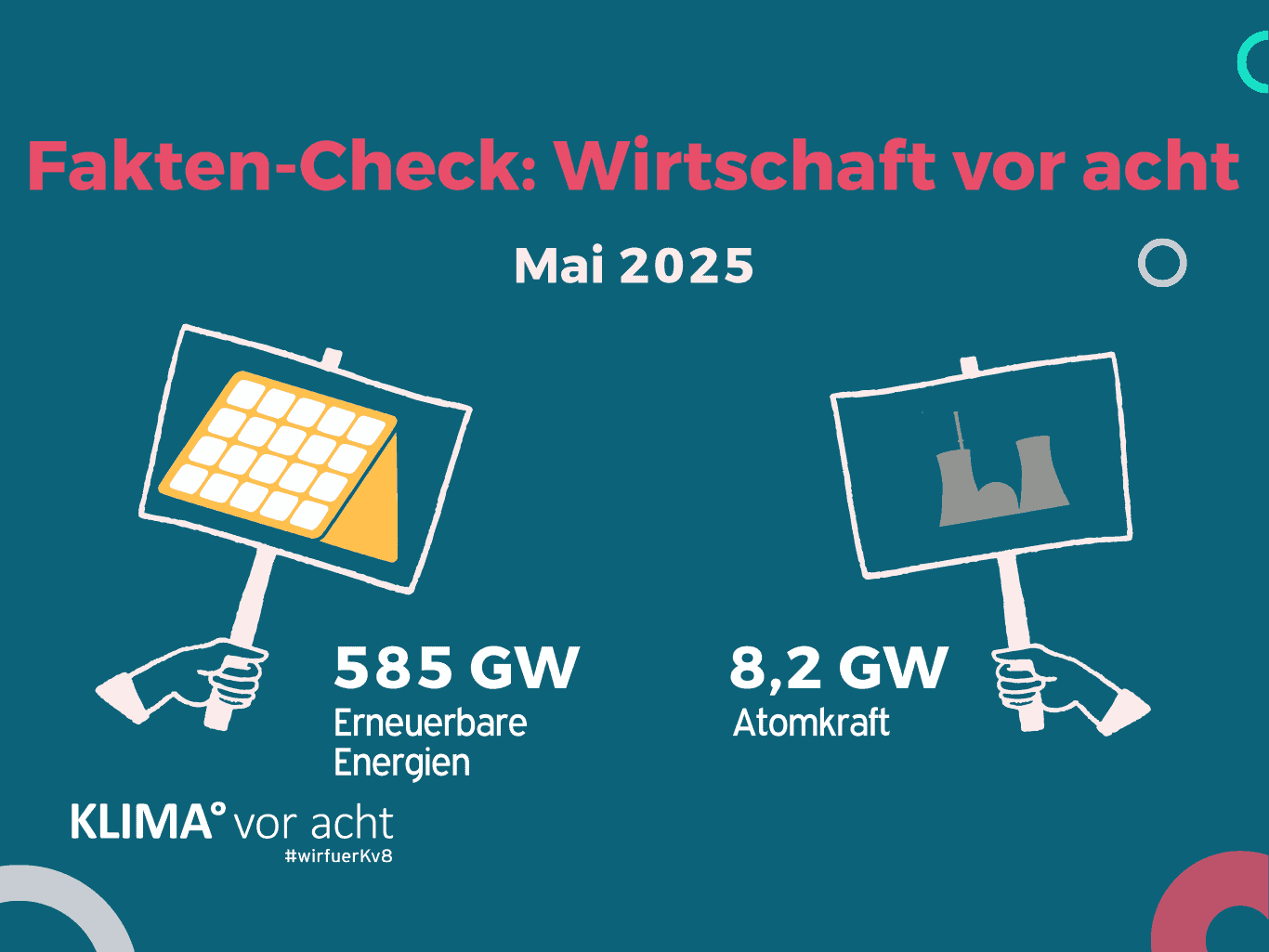
The programme “Wirtschaft vor acht” broadcast on 28 March 25 claimed that new nuclear power stations were a key driver of global capacity growth – in fact, according to IRENA, 92 per cent of the growth in 2024 came from
Complaint about a programme to WDR
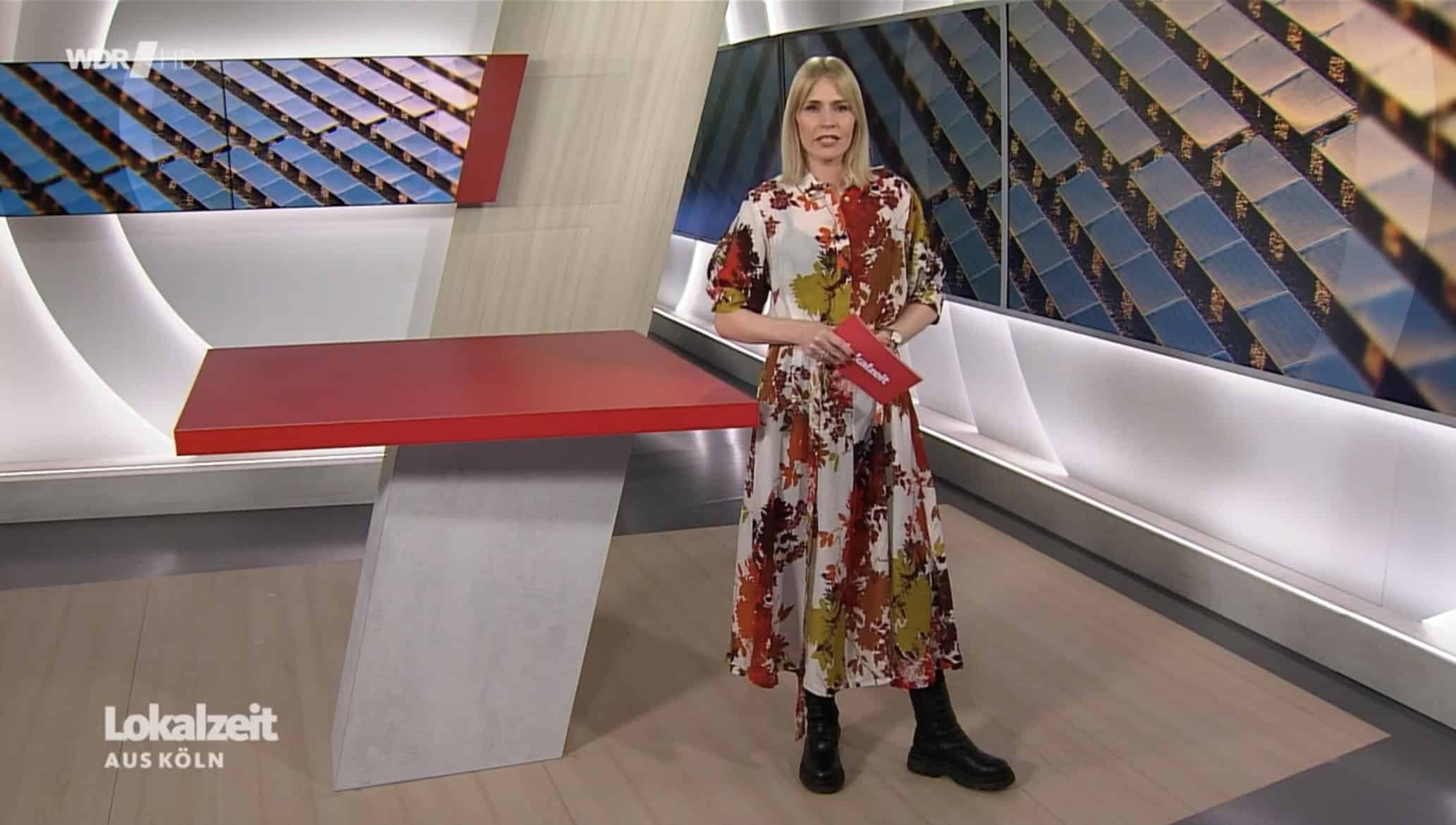
In the WDR report “Huge solar parks in Garzweiler and Grevenbroich” broadcast on 25 January 2023, only RWE employees are quoted – lignite-fired power generation and the dismantling of wind turbines to make way for opencast mining