KLIMA° vor acht Episodes
Our first series – inspiration for good climate journalism
KLIMA° vor acht sounds good, but it’s not feasible? We don’t think so. Back in 2021, we produced six episodes in collaboration with Barracuda Film. We’ve put together a playlist so you can watch all six episodes in one go.
The section below contains links to the individual episodes, as well as a separate Factsheet for each one. Simply click on the respective link.
We currently work on new episodes
Over the past year and a half, we have secured six companies as sponsors through a campaign, including GLS Gemeinschaftsbank eG and Prokon Regenerative Energien eG as main sponsors. With the help of these sponsors, we produce new episodes of KLIMA° vor acht and also produce a spot to bring into prime time. You can find more information about the successful campaign in this blog post. As soon as the episodes are available, you’ll find them here. Stay tuned!
(opens in a new tab)
Episodes 1–6 (in German)
The factsheets linked below are PDF files in German.
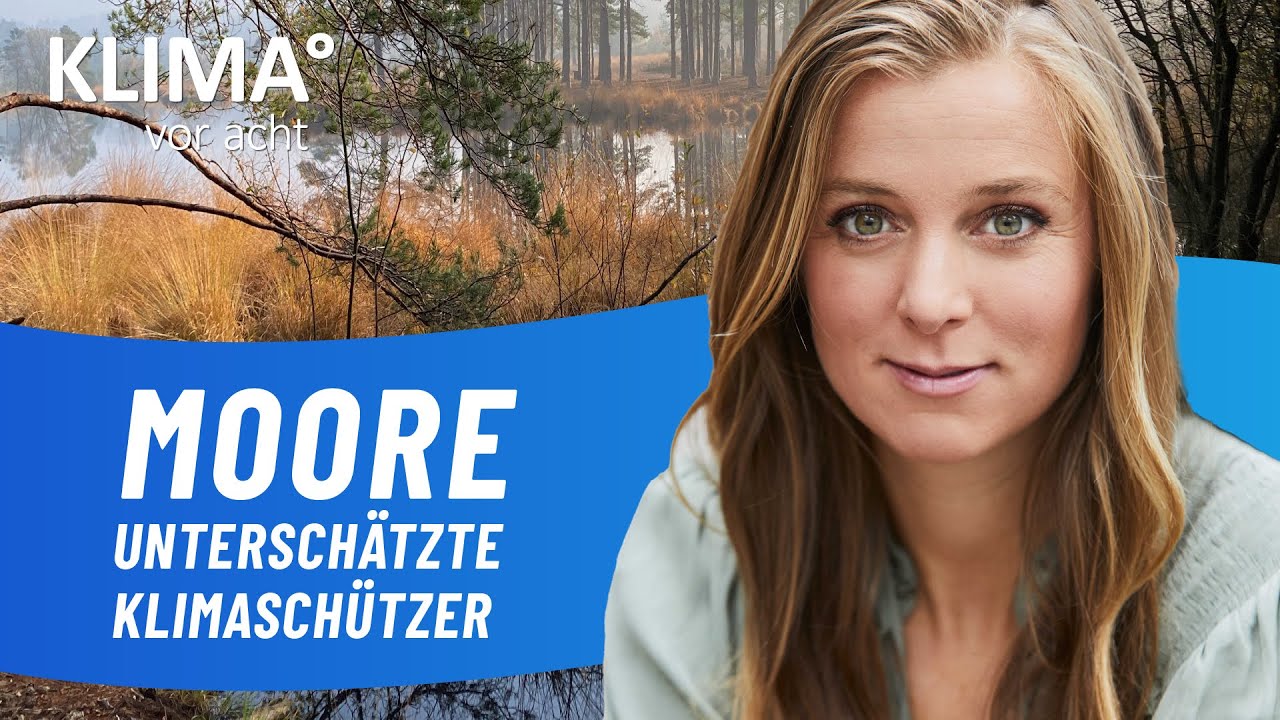
Episode 1: Our Moors – Better Than Forests
Forests are important for the climate – that’s common knowledge. But few people realise that wet moors are even more effective climate protectors. This is due to a substance we’re familiar with from our gardens: peat. KLIMA° vor acht takes a closer look at these mysterious wetlands and reveals why wet moors are indispensable for the climate.
(opens in a new tab)
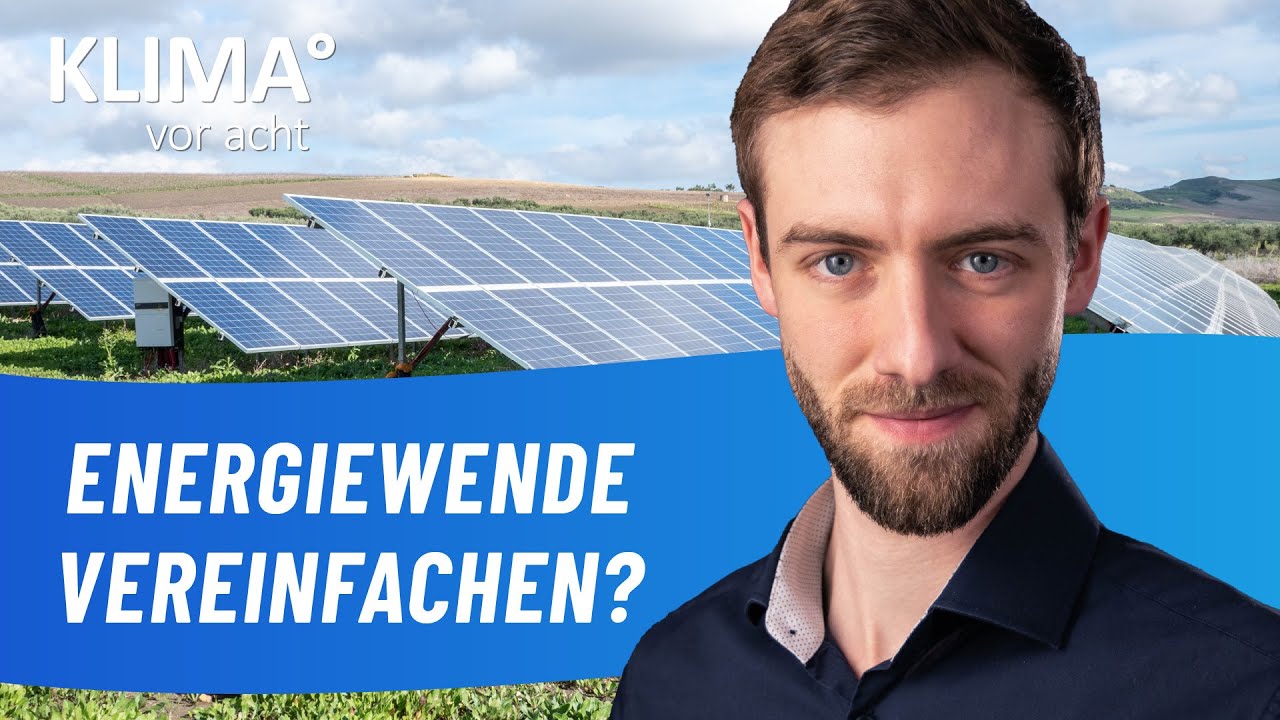
Episode 2: Well-intended or well-executed? The Renewable Energy Act
The Renewable Energy Sources Act (EEG) was the driving force behind Germany’s energy transition. Thanks to it, the construction and subsidy schemes for wind and solar power plants progressed rapidly. But that driving force is faltering. KLIMA° vor acht highlights where the problems lie and why the EEG needs to be simplified.
(opens in a new tab)

Episode 3: Hanging in the Balance: Why it might be too late for the Greenland ice sheet
In Greenland, the ice is melting faster than ever – and we will soon see whether the Arctic island’s ice sheet will melt away completely. This is because one of the major tipping points in the climate system lies there. If this tipping point is reached, the consequences will be irreversible – including those for our lives here in Germany. KLIMA° vor acht explains when this tipping point might be reached and whether there is still hope for Greenland’s ice.
(opens in a new tab)
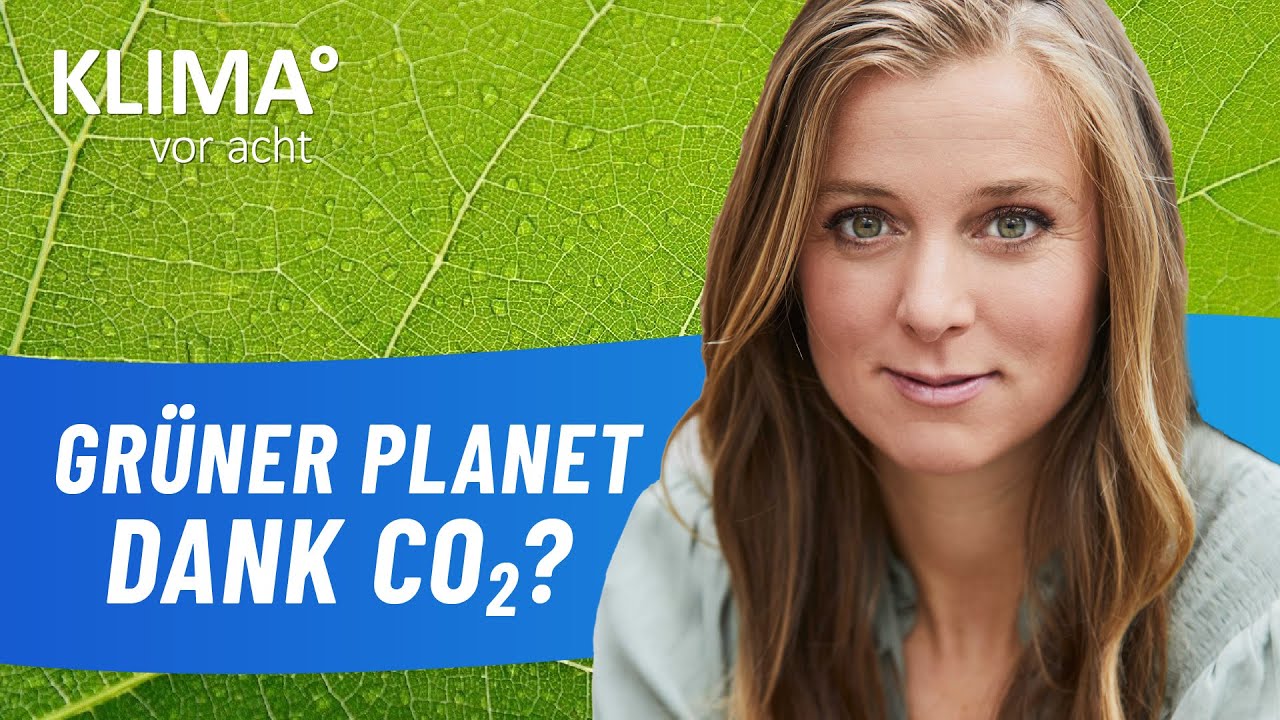
Episode 4: CO₂ makes the world greener: myth or fact?
Could CO₂ be better than its reputation suggests? It contributes to the Earth’s northern hemisphere becoming greener. The reason for this is, that plants use CO₂ for their growth, and there is currently plenty of it. However, the programme ‘KLIMA° vor acht’ shows that this so-called ‘fertilisation effect’ is only valid to a very limited extent. In the long term, it may well turn into its opposite …
(opens in a new tab)
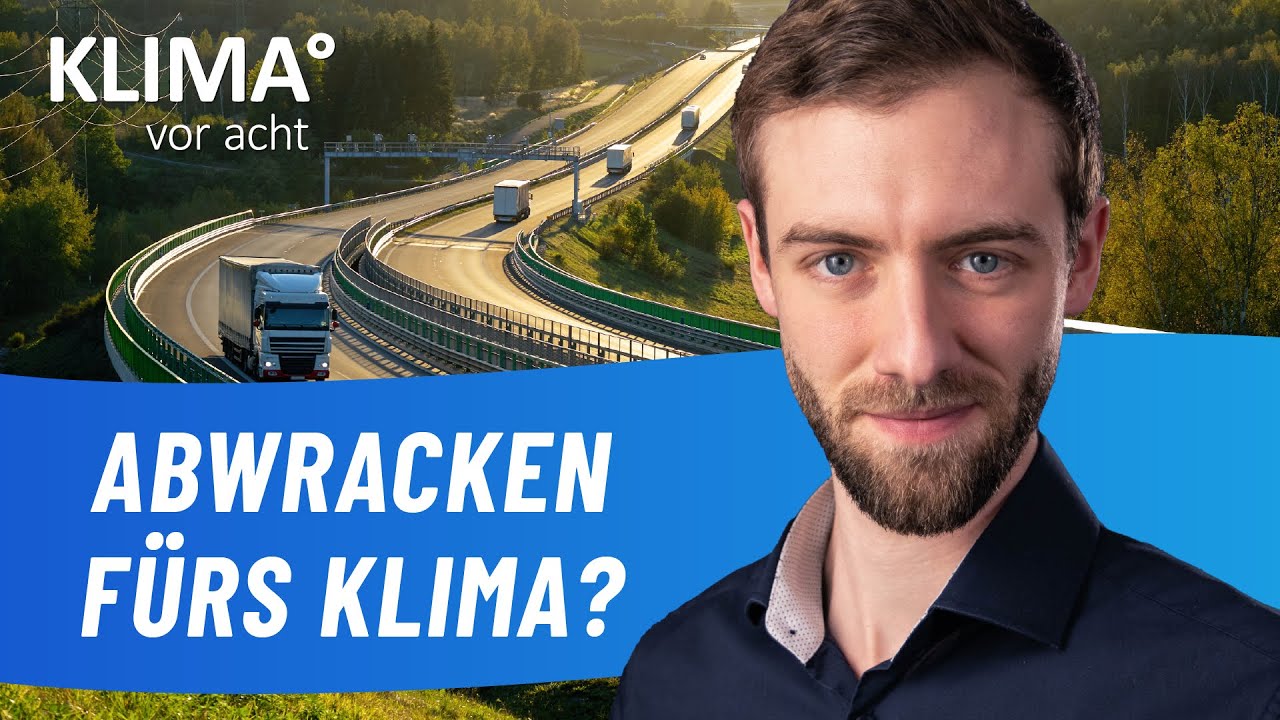
Episode 5: The new scrappage scheme: Politics and vices
German heavy goods transport generates 48 million tonnes of CO₂ – every year. A scrappage scheme for lorries therefore seems to have come at just the right time. The German government approved this incentive for scrapping old lorries last year, and the application deadline has just passed. A good reason for KLIMA° vor acht to take a critical look at the new regulations. Because what initially sounds like a good deal for the climate turns out, on closer look, to be a sham.
(opens in a new tab)

Episode 6: Twin worlds and climate litigation: Attribution research
Our Earth has a twin – at least in the virtual world. Using computer modelling, attribution research compares two worlds: today’s world with man-made emissions and its twin world, completely free from human influence. When a weather event occurs, it is possible to calculate the probability of whether it is the result of climate change or ‘normal’ extreme weather. KLIMA° vor acht introduces this emerging – and very important – field of research. In future, it could provide evidence for potential climate-related legal action.
(opens in a new tab)